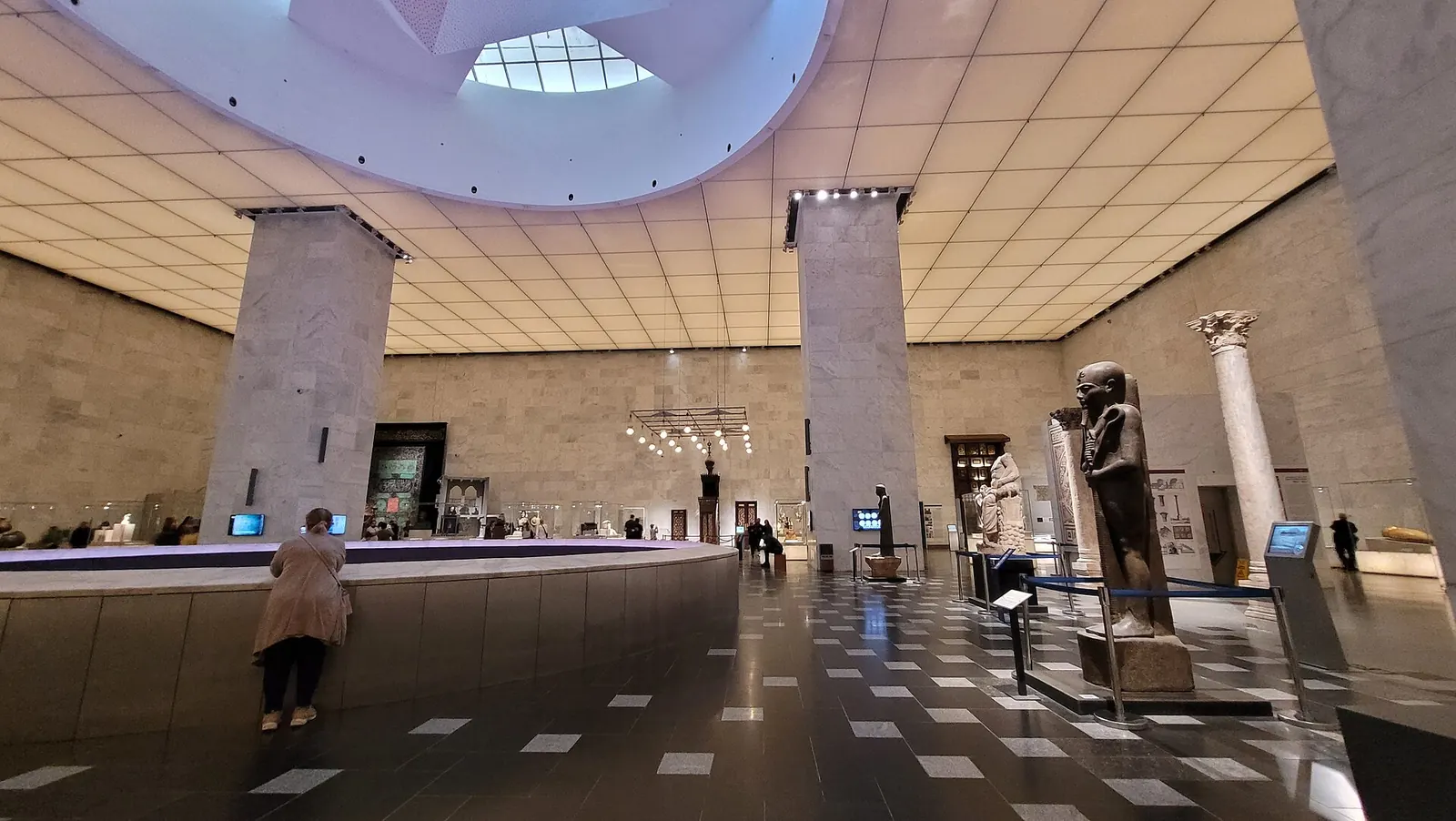
Museum cases isolate beautiful vessels. This trail reconnects them to hands, shelves, storerooms, boats, kitchens, workshops, offerings and waste deposits.
THE FOUR-STATION TRAIL
Rebuild the storage system.
- 1
Estimate capacity and access
Wide mouths allow filling and cleaning; narrow necks control pouring and closure. Bases imply standing, embedding or support.
- 2
Find movement features
Handles, lugs, rope marks and standardized shapes suggest lifting or transport. Full weight matters more than empty display weight.
- 3
Look for closure and control
Lids, stoppers, sealings and inscriptions can track contents, ownership, quality or taxation.
- 4
Test against context
A vessel from a tomb, house, workshop or shipwreck enters a different system even if the form looks similar.
RESIDUE AND REPRESENTATION
Contents need evidence.
Labels may identify wine, oil, grain or cosmetics through inscriptions, residue analysis, associated finds or typology. Keep the basis visible. A familiar modern shape is not proof of ancient contents.
Models and scenes show production sequences but can compress labour or idealize abundance. Archaeobotanical remains, animal bone and installation context provide different evidence.
QUESTIONS TO CARRY
Move from object to infrastructure.
- How was the full container lifted?
- Could the interior be cleaned?
- What closure prevented loss or contamination?
- Does standardization imply measurement?
- Which evidence identifies the contents?
- What happened when the container broke?
Source path
Combine vessel typology with find context, residue analysis, inscriptions, sealings, archaeobotany and zooarchaeology. Function labels should state the evidence behind them.