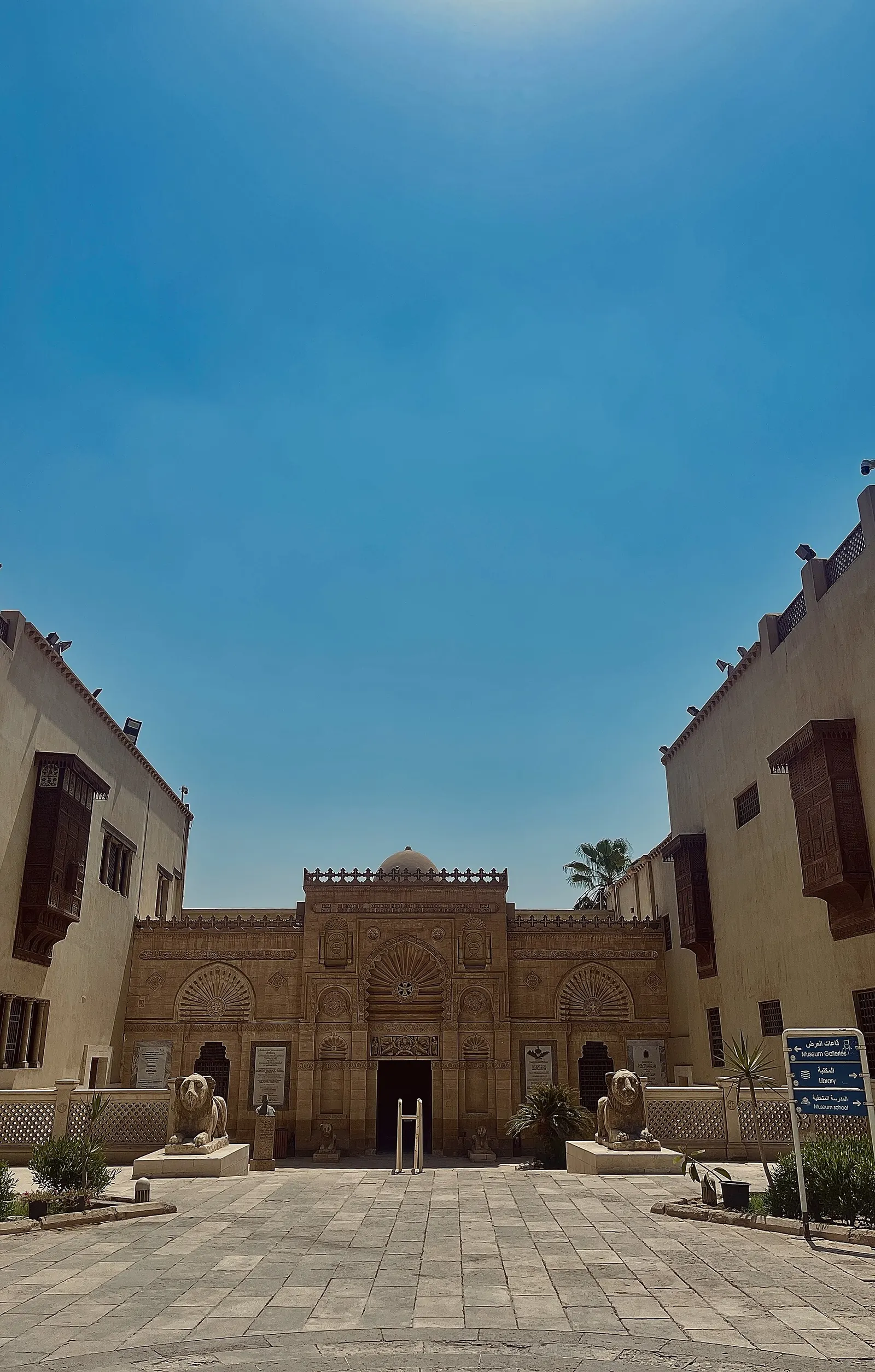
The date on a label usually identifies one historically important transformation. The material itself may record many more.
THE FOUR-STATION TRAIL
Follow changes in purpose.
- 1
Start before the object
Identify the stone where possible. Grain, colour and inclusions connect a finished work to geological source and quarry labour.
- 2
Map worked surfaces
Separate primary carving from polish, inscription and later recutting. Look for text or figures cut across an earlier surface.
- 3
Find reuse logic
A block may be turned, trimmed or built into a new structure. Reuse can express economy, availability, political appropriation or practical construction.
- 4
Read the museum support
Base, pins, fills and orientation decide what counts as front and how weight is carried now.
SPOLIA AND RECUTTING
Later users were also interpreters.
Reused stone is sometimes called spolia, but the term covers varied actions. A carved block hidden in a foundation differs from an earlier royal image deliberately reinscribed. Physical evidence must precede claims about motive.
Ancient reuse does not necessarily mean disrespect for antiquity. It can show that stone remained valuable as material, image, authority or all three.
QUESTIONS TO CARRY
Give the material more than one date.
- Which face was originally visible?
- Does carving cross a break or stop at it?
- What evidence dates the reuse?
- Could weathering indicate an outdoor phase?
- How did excavation change the stone’s condition?
- What argument does the modern orientation create?
Source path
Combine petrographic or geological identification, epigraphy, architectural context, excavation record and conservation documentation. “Stone” is a material family, not a sufficient identification.